Annual Herbert S. Birkett Memorial Lecture
Department of Otolaryngology Head and Neck Surgery
34thÌýAnnual James D. Baxter Lectureship
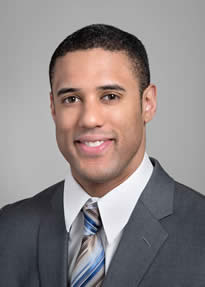
Guest Lecturer
Dr. Anthony C. Nichols, MD
Professor, Department of Otolaryngology-Head and Neck Surgery and
Department of Oncology, Schulich School of Medicine & Dentistry
Western University
|
Biography: Dr. Anthony Nichols is a Head and Neck Surgical Oncologist, Facial Plastic Surgeon, and Surgeon-Scientist at London Health Sciences Centre and Western University. He completed his undergraduate training at McMaster University (first in class, Physics), his medical degree at the University of Toronto (AOA honours), and his residency and fellowship training at Harvard Medical School through the Harvard Combined Otolaryngology Program, with advanced fellowship training in Head and Neck Oncology, microvascular reconstruction, and molecular biology under the mentorship of Dr. Jim Rocco at Massachusetts General Hospital. Since joining Western University in 2009, Dr. Nichols founded the Translational Head and Neck Cancer Research Program, a multi-faceted laboratory that bridges molecular discovery and clinical application. He is the youngest faculty member in his department's history to achieve the rank of Full Professor. His research program has trained over 70 students, generated more than 190 peer-reviewed publications, and secured over $13 million in research funding. He established the first Transoral Robotic Surgery (TORS) program in Canada and led the landmark ORATOR and ORATOR2 randomized controlled trials — the only completed trials comparing surgery with radiation for oropharyngeal cancer — published in Lancet Oncology and the Journal of Clinical Oncology. Beyond oncology, Dr. Nichols operates a private facial plastic surgery practice and leads Scientific Aesthetics, an evidence-based platform applying surgical research methodology to aesthetic medicine. |
°Õ¾±³Ù±ô±ð:Ìý“Borrowed Science, New Answers: Applying Translational Oncology Methods to Non-Malignant Disease in Head & Neck Surgeryâ€�
|
Ìý
All staff and residents are welcome!
For an invite make a request toÌýotlhns.med [at] mcgill.ca